There is something indomitable about traveling to Montenegro, about that Europe even without the hustle and bustle of the great tours that have already set foot in France, Spain or Italy, but at the same time it is advisable not to be deceived by appearances. Montenegro sells security, nature, beaches, environment, historical heritage and nature in abundance.
Contents
A country to discover
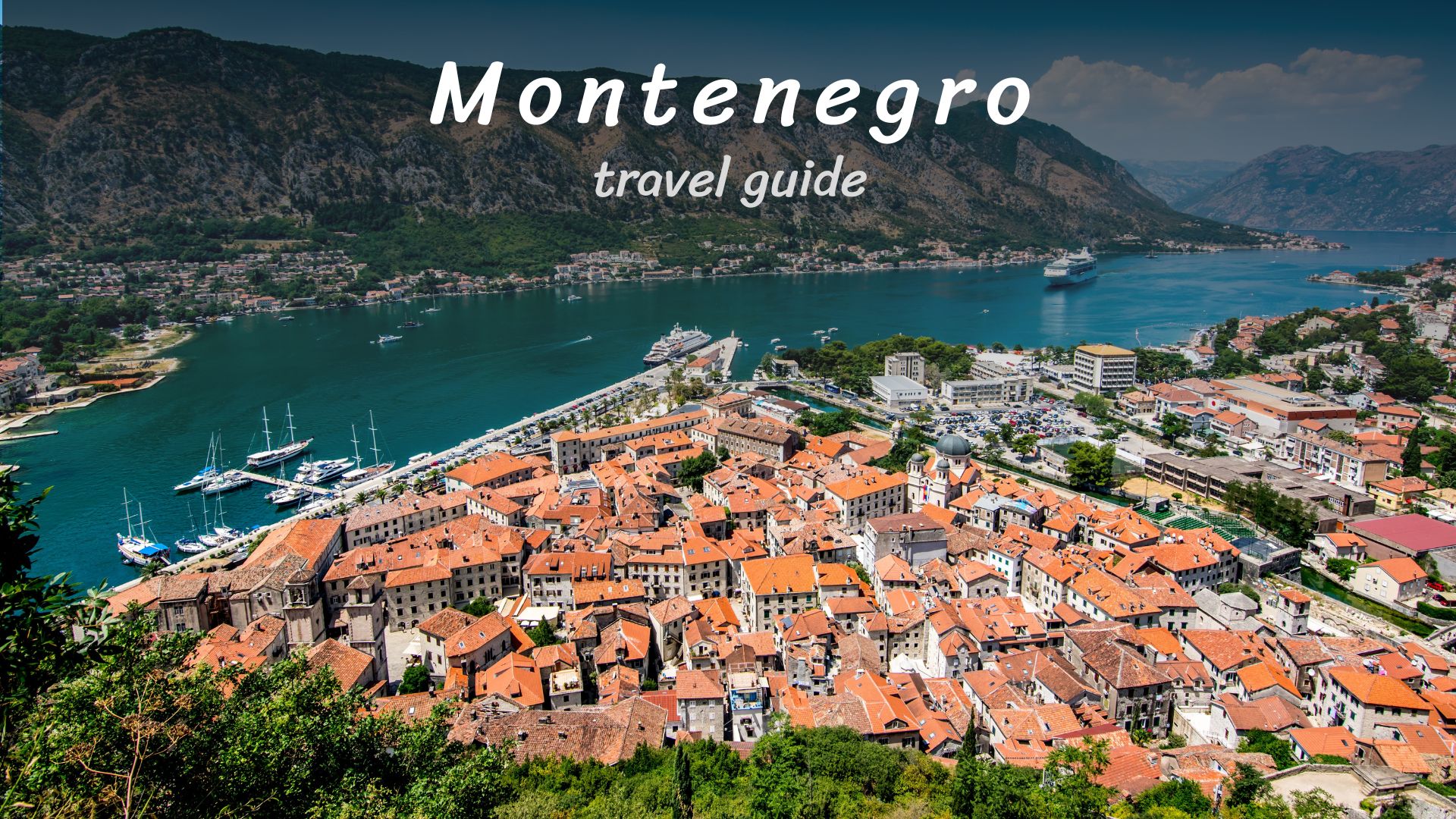
Montenegro (Crna Gora, the Black Mountain called by the Venetians) already receives a significant number of travelers, and tourism is booming, especially on the coast where cities like Kotor have a daily hustle and bustle of cruises that cross the fjord until they stop in front of the magical medieval city whose walls seem to rise to the sky. Its magical bay offers panoramic photos from many angles, especially if we climb the roads inland. The successive villages catch us each with their spells, Herceg Novi with its promenade, Risan with its Roman mosaics, Perast with the terraces in front of the islands St. George and Our Lady of the Rocks (Gospa od Skrpjela).

For those who are looking for pace and nightlife, Budva is undoubtedly their meeting point, with beaches that are animated by day and night, people from all over the world, and parties for those who have plenty of energy. Budva is the new Ibiza and Mykonos and it also has a very flirtatious historical center between the walls that hide romantic alleys with cafés and bars.
Very close to Budva, Sveti Stefan’s exclusive island (already linked to the mainland) is today a resort within reach of the wealthiest, but whose view of the road is one of Montenegro’s most famous postcards.
In the interior cities like Cetinje remind us of their Austro-Hungarian past, in the former capital of Montenegro, whose embassies are now cultural centers, music schools or museums.
Podgorica is the capital of Montenegro, its grey appearance should not allow us to emit a hasty judgment since it hides interesting corners to know the essence of the country.
The monastery of Ostrog is a pearl embedded in the mountain, to which we arrive after a succession of infinite curves that end in a perfect “balcony” to take charge of the relief of Montenegro. A place of pilgrimage for devotees and of simple pleasure and historical interest for tourists, Ostrog is one of the most visited places in the country.

Nature has in Montenegro a unique refuge with a beautiful coastline where jewels in the form of islands, beaches and forests that kiss the sea stand out; lakes such as Skadar, which borders Albania and where the tones of colors merge into a palette of a thousand shades; or Lake Slansko near Nikšić, where the most famous brewery in Montenegro is located.
What to do in Montenegro – Activities for everyone
Inland, already in the middle of the mountains, in a climate in which snow allows practicing sports such as skiing until well into spring, we can find other activities such as canyoning or rafting down the wild waters of the river Tara, whose currents are an explosion of adrenaline. On the coast, the beaches of Montenegro are opening up as a quality tourist destination, where the sun is guaranteed and the possibility of practicing sports at sea is another incentive. Paddle Surfing, scuba diving, kitesurfing on the island of Ada south of Ulcinj, or boat excursions along the entire coast.
Durmitor Park is the best known but not the only Nature Reserve in Montenegro as although the size of the country is not immense there are four other nature parks, Biogradska Gora, Lovcen, Skadarsko Jezero, and Prokletije.

Sea and mountain nourish gastronomy that has many influences ranging from Mediterranean food and recipes to Balkan dishes and Turkish cuisine. Montenegrin wine is one of the great gastronomic discoveries, with routes that allow us to know the vineyards and wineries, always accompanied by rich smoked sausages.
Connections to Montenegro are growing more and more, with flights to Podgorica or Tivat airports from many European cities, cruises arriving on the Montenegrin coast, and ferries crossing the Adriatic to several Italian cities.
Written by:

 Yuliya Yanukovich
 Artur Gurin